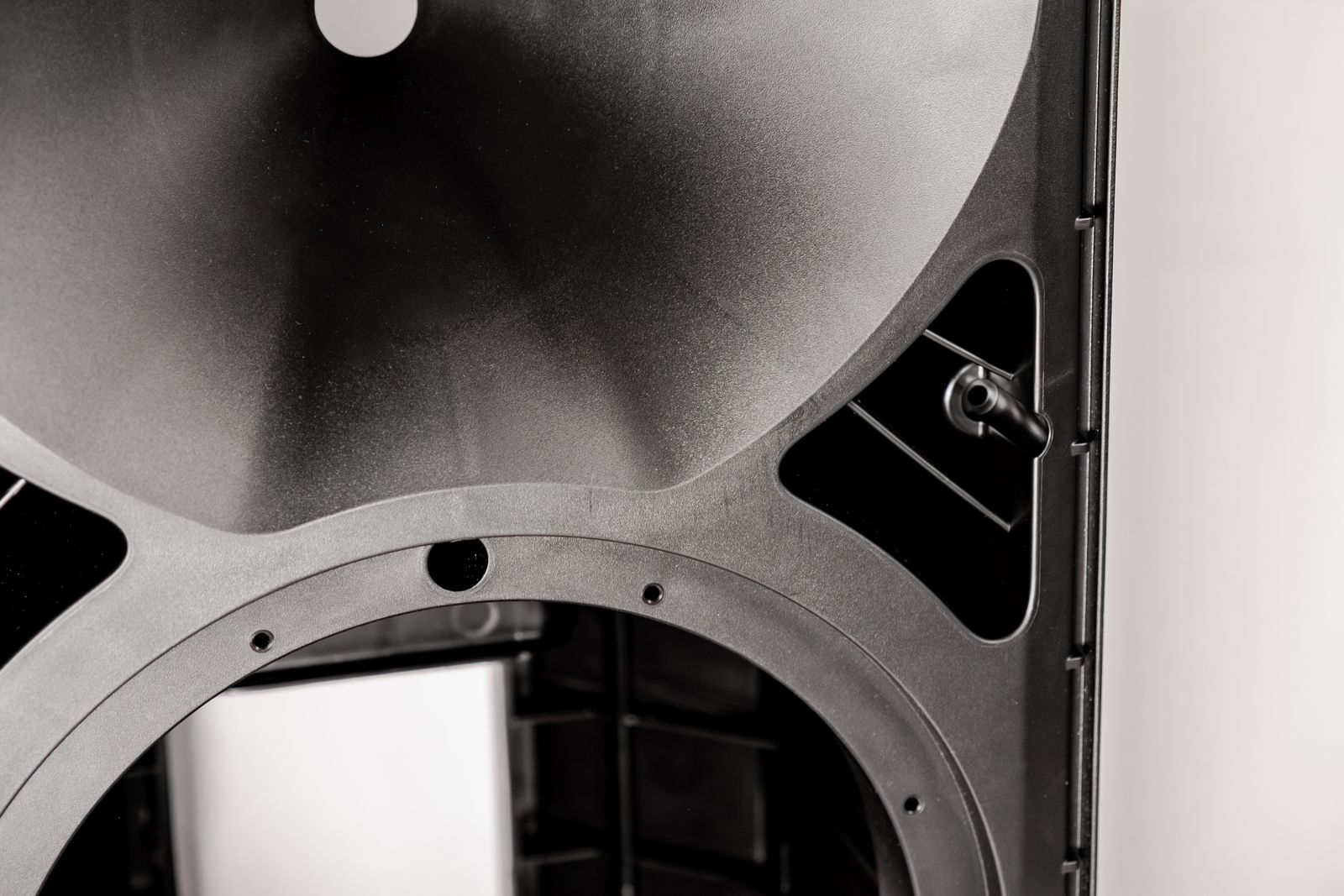
Product criticities
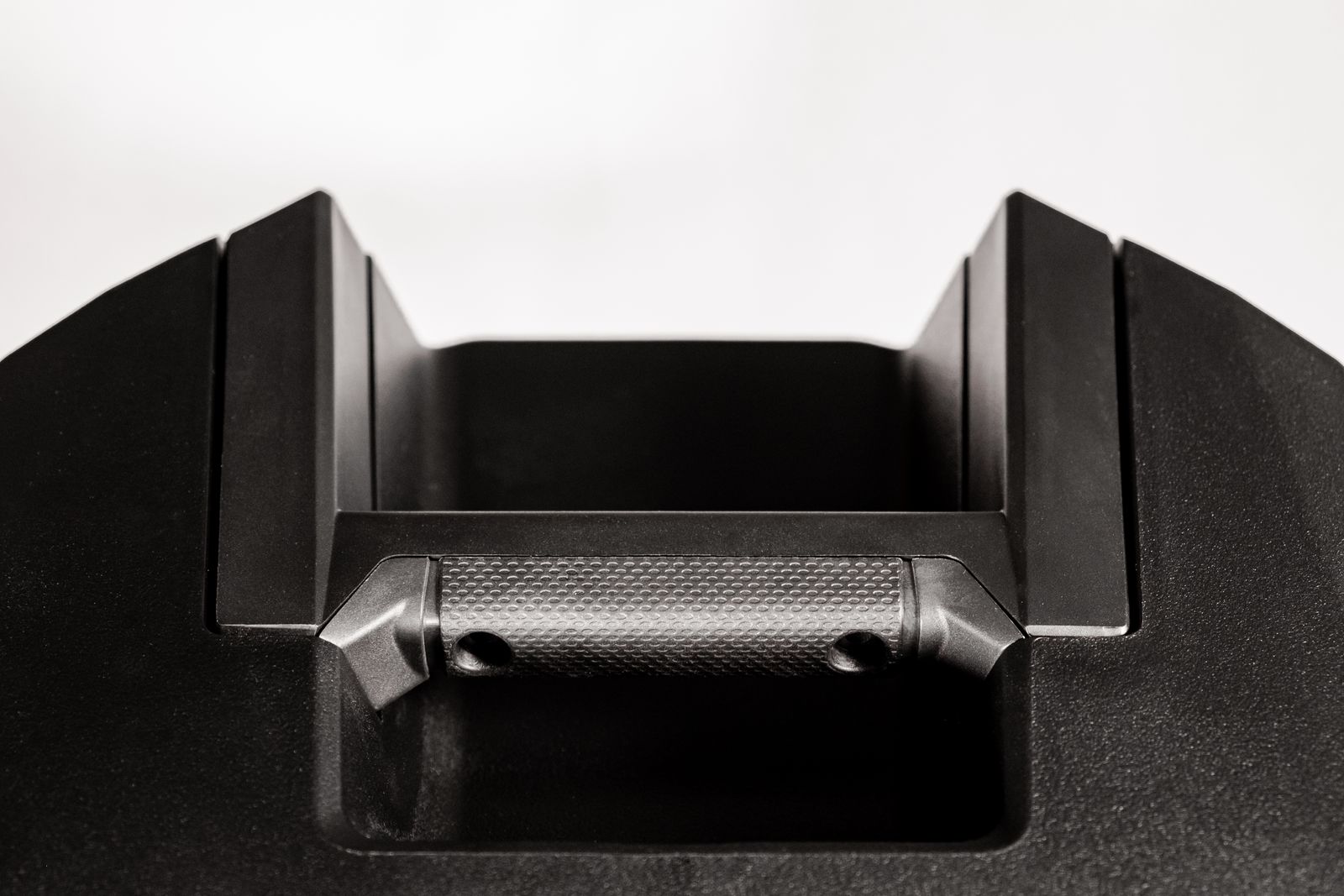
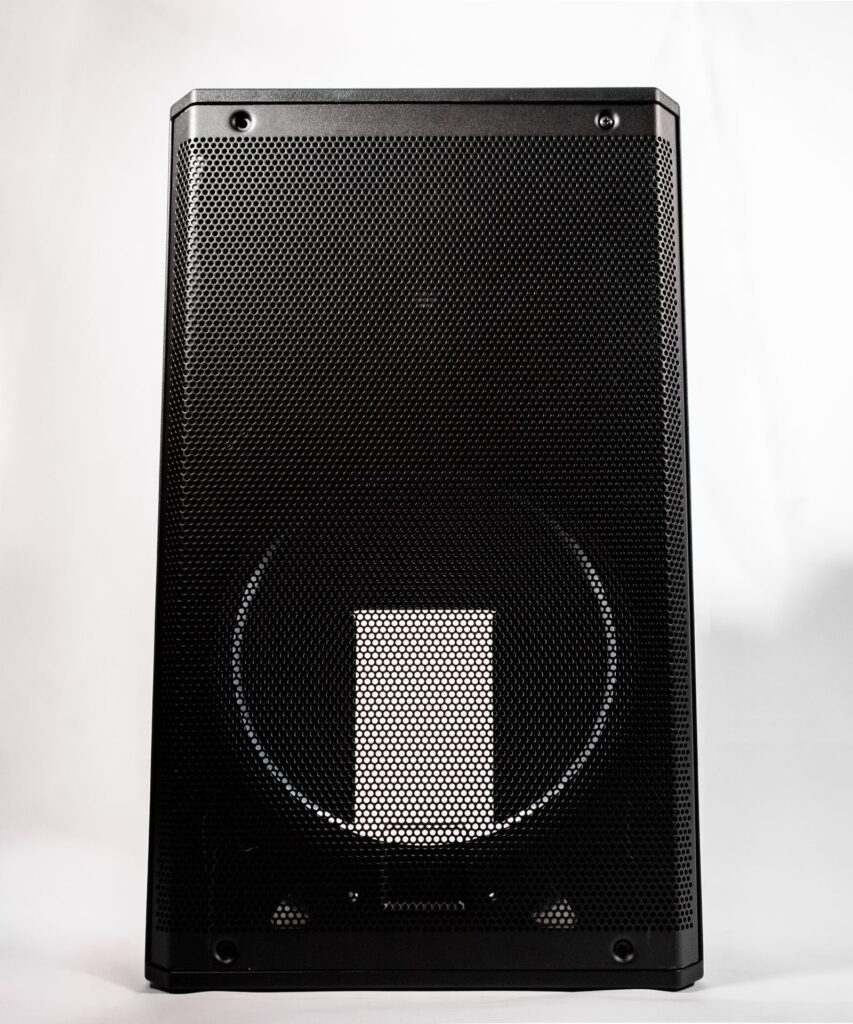
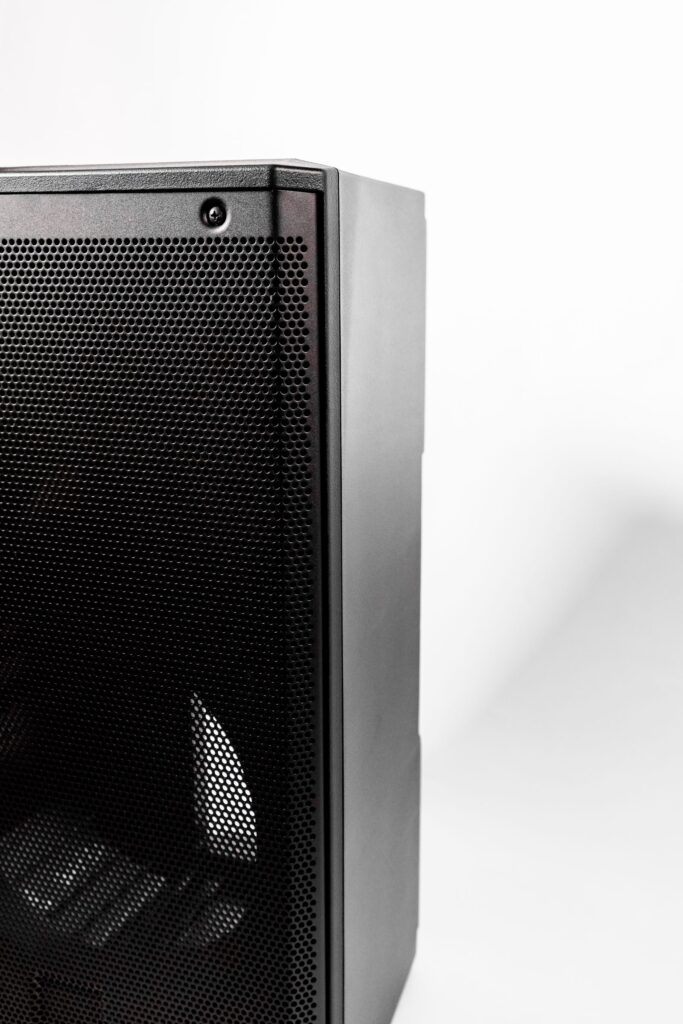
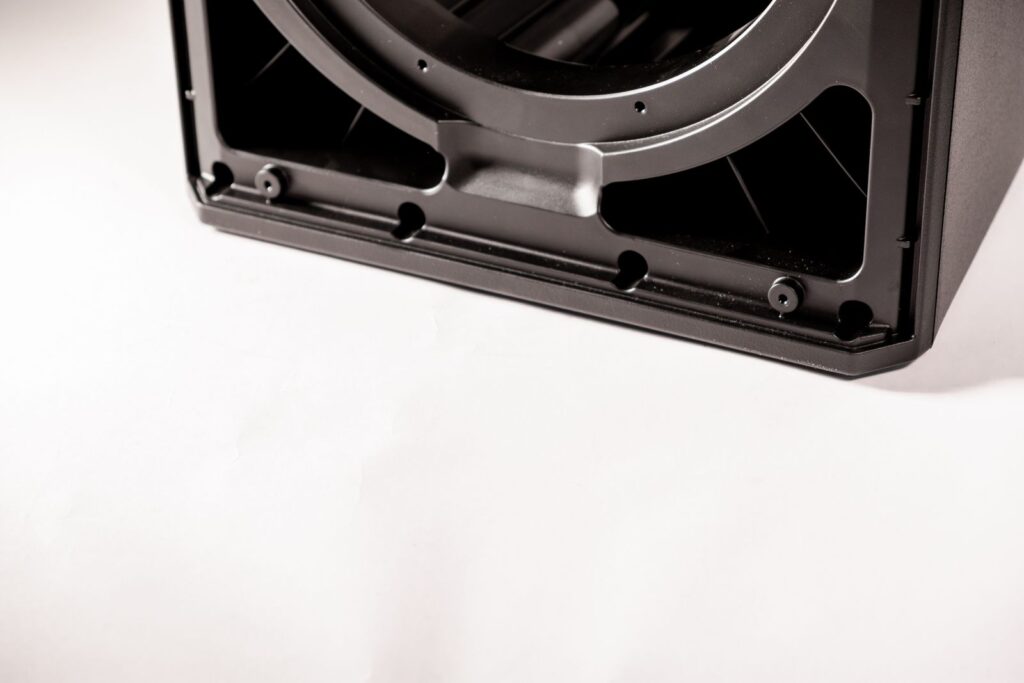
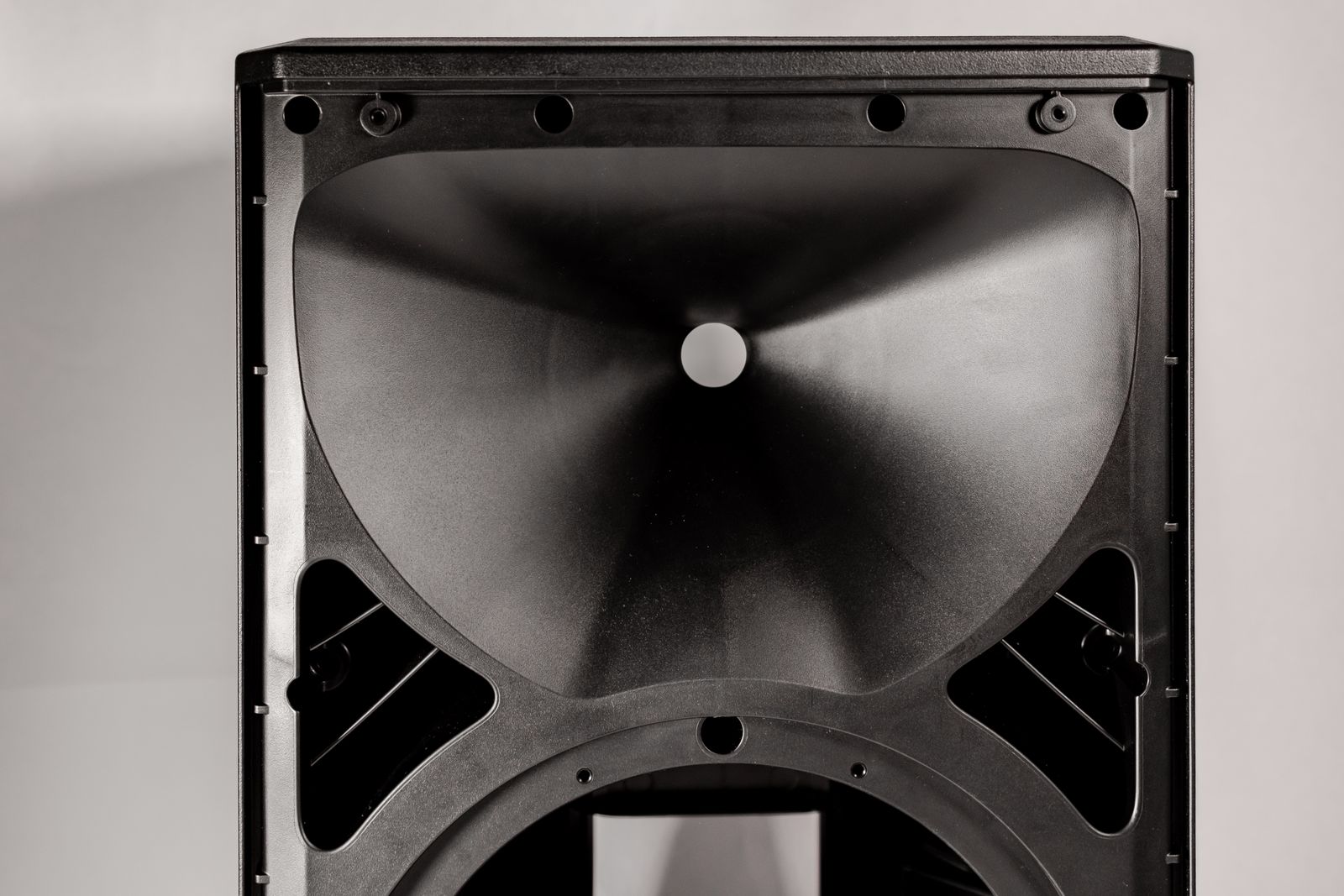
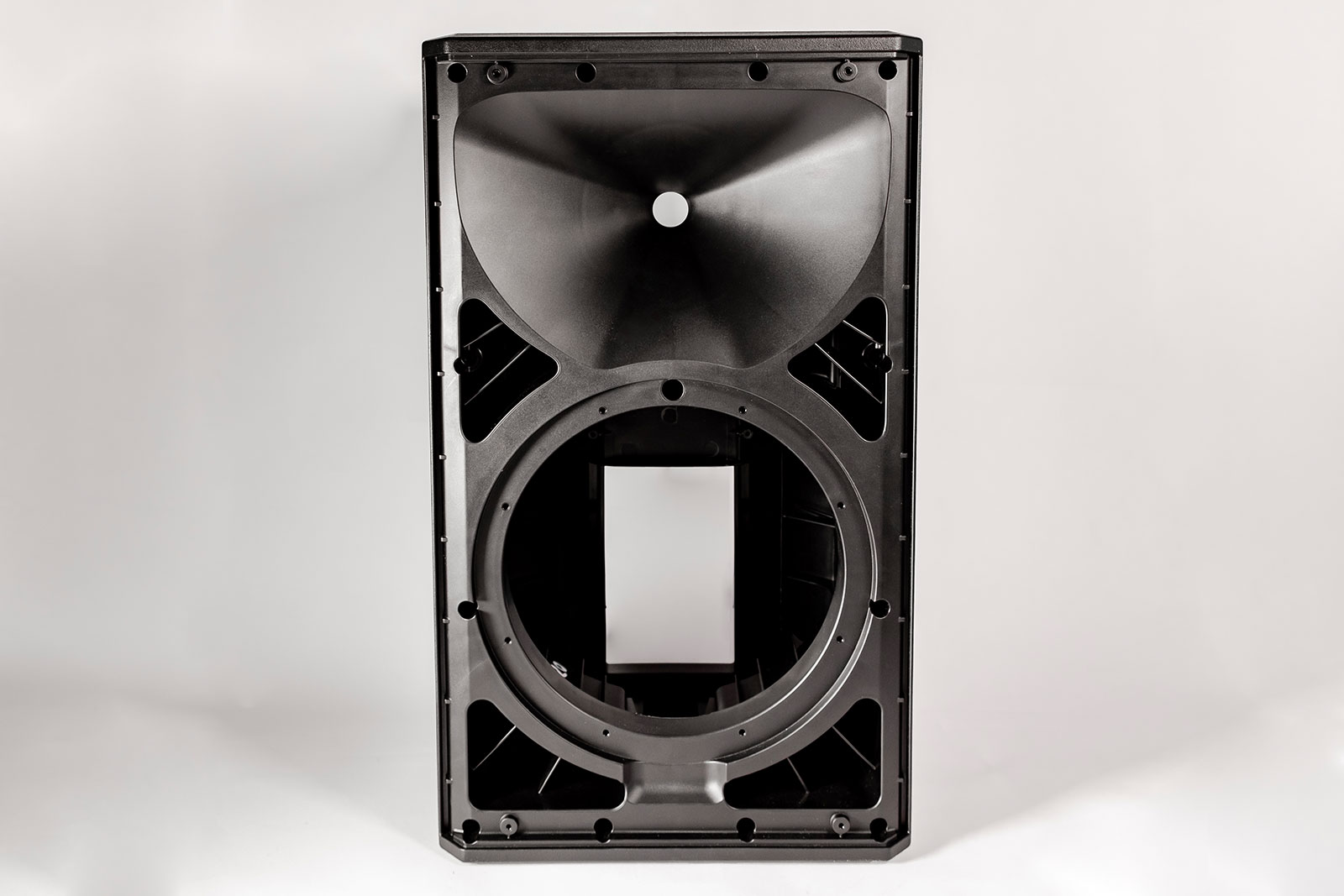
- Aesthetics of this product is fundamental: outer surfaces must be finished with particular textures
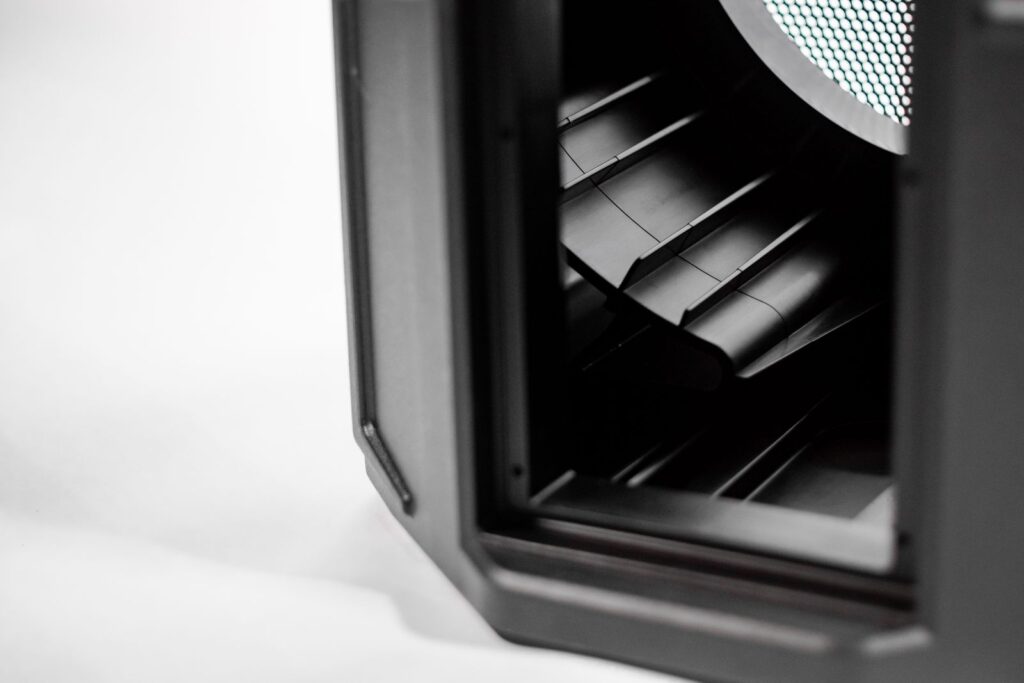
- This product has an important number of very high ribs. The risk of shrinkage marks on this product is concrete.
- Because of the product dimensions and part complexity, mould cooling will be an important aspect.
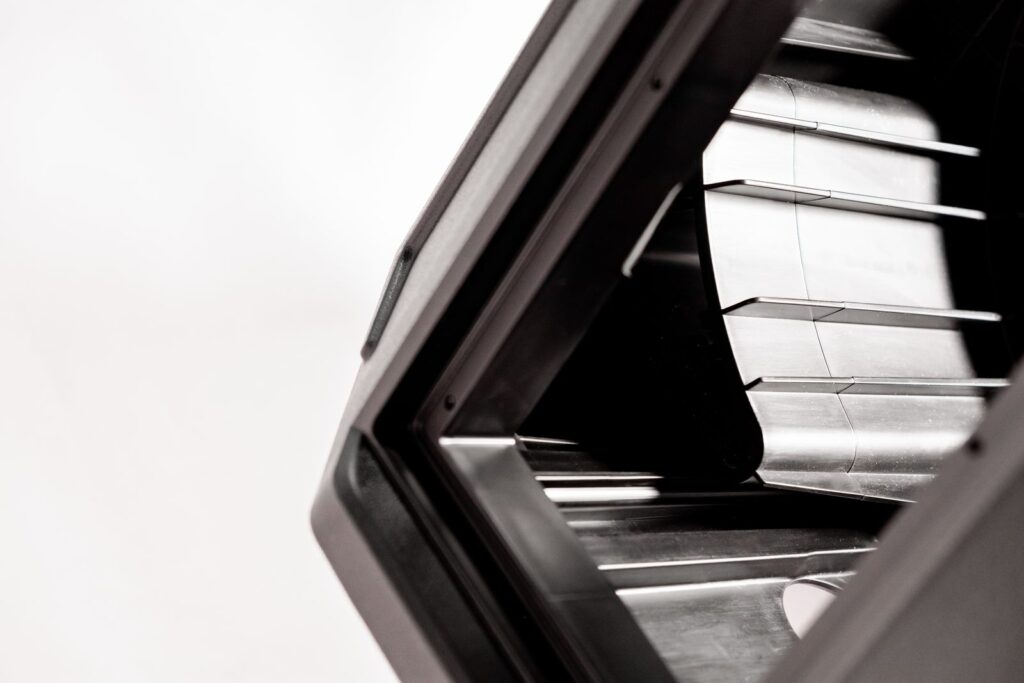
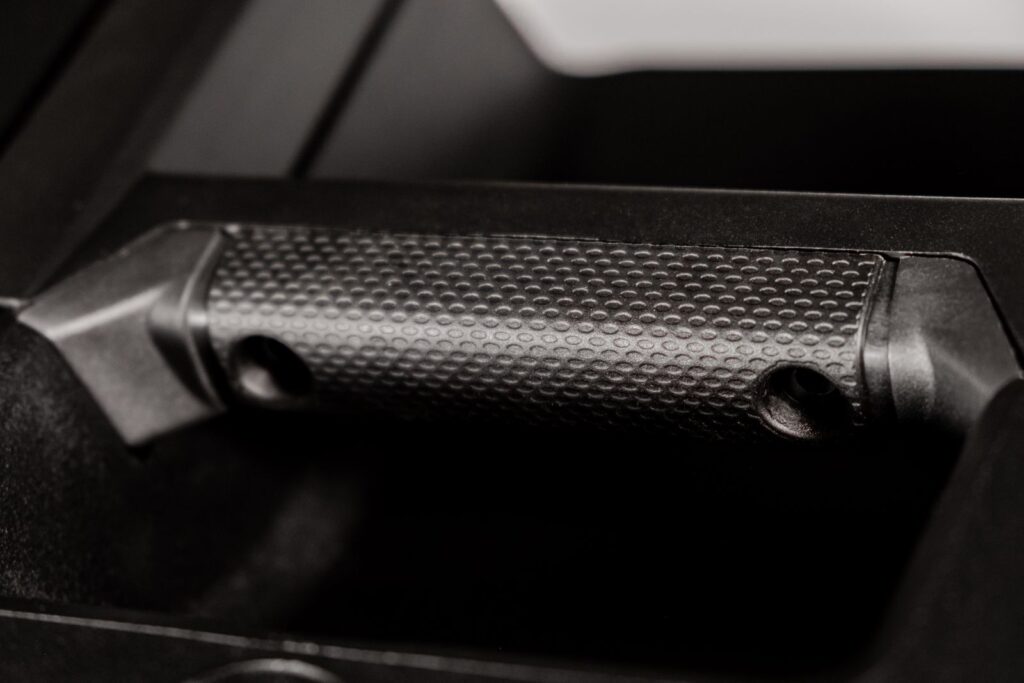
Applied solutions
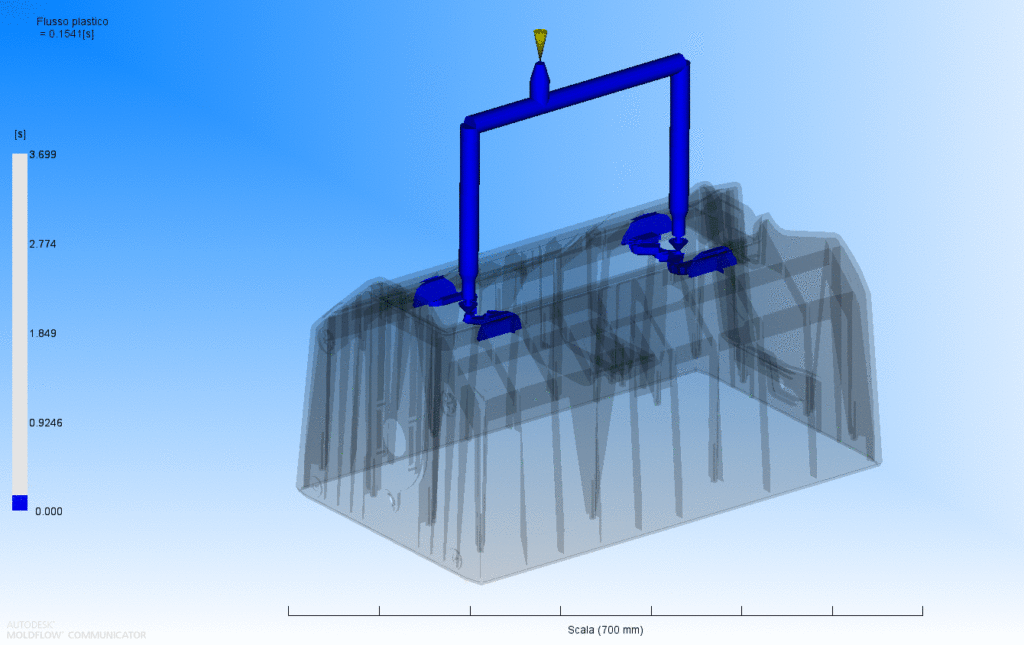
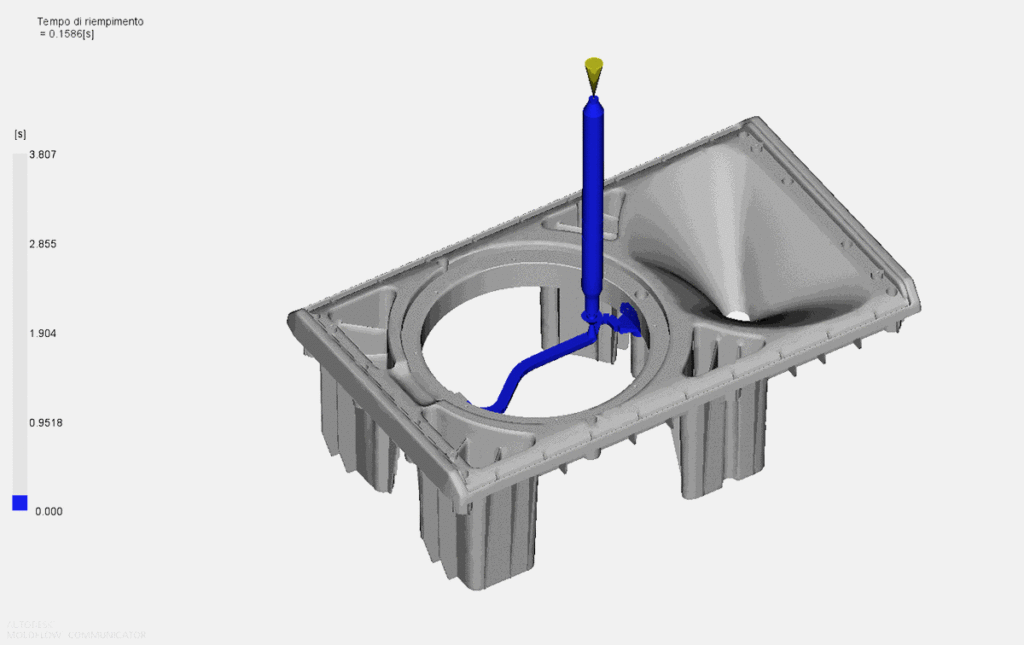
- At an earlier stage, the filling of the mould has been checked, using finite element methods analysis. Results have allowed to optimize mould and product design. By doing so, we have avoided shrinkage marks, filling anomalies and product deformations.
- Heated nozzles have been used to inject plastic into the mould. Those components are equipped with sensors for a precise temperature control of the molten material.
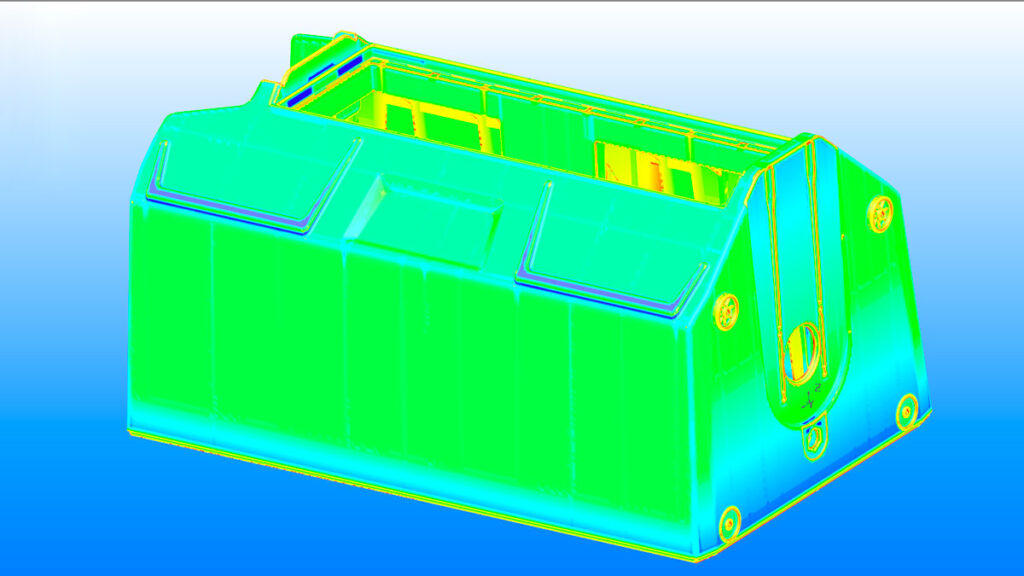
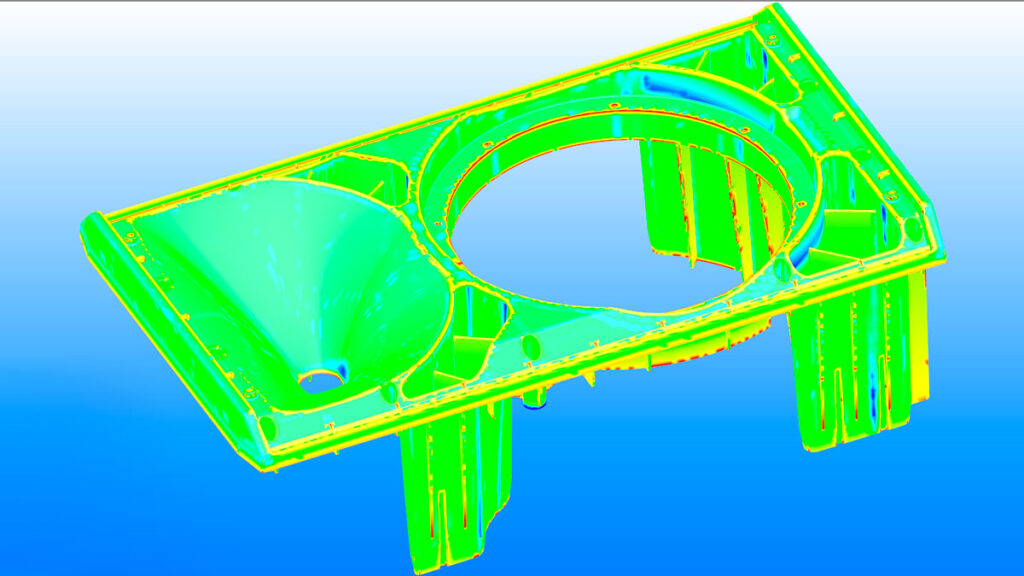
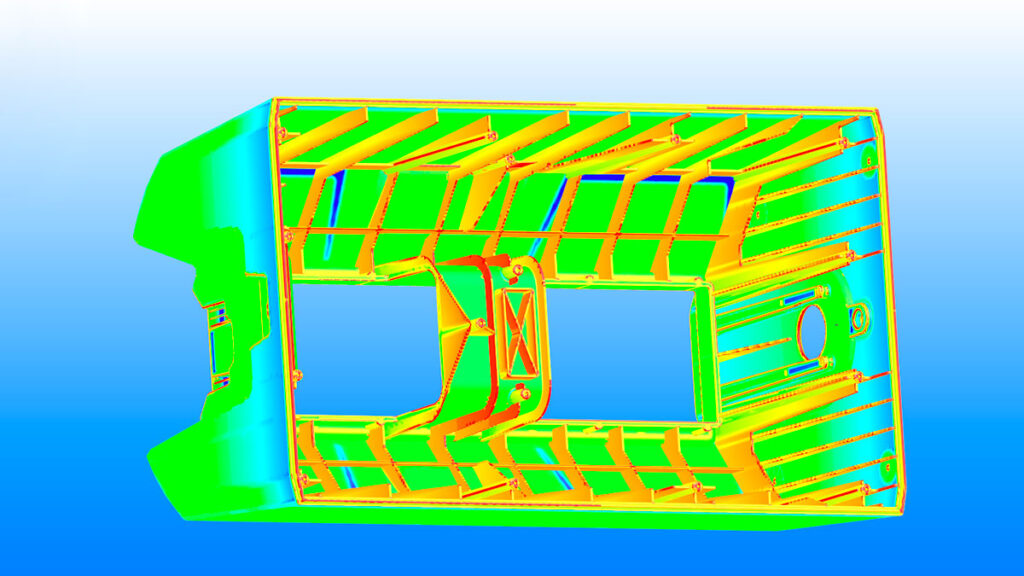
- Draft angle analysis has shown critical locations on product geometry, where the outer texture could have been scratched. Product design has been improved in co-design with the customer.
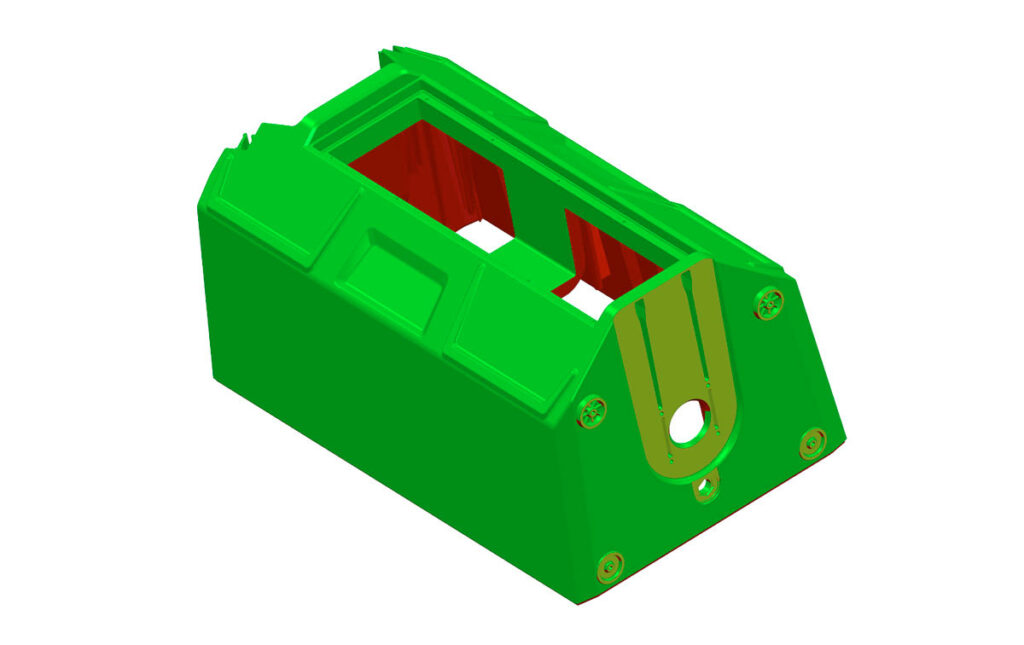
- The thickness analysis of this product has shown non-homogeneous thickness. Once again, product geometry was improved, uniforming thickness without loosing the required stiffness required for this specific application.
- The mould is equipped with aluminium sectors, involving a high thermal conductivity. This, together with an efficient liquid cooling system, has granted a powerful tool cooling device.
RESULT
Product aesthetics is very good, despite the case complexity. Besides, the efficient cooling system allows a reduction of cycle time and an improvement in terms of mould reliability.